





Can the Body Become Tolerant to Wrinkle Treatments?
Can the body become tolerant to wrinkle treatments? This is a question many people ask when they notice their results don’t last quite as long as they once did. Wrinkle treatments remain one of the most effective options and are often considered the best treatment for mature skin, but it’s natural to wonder whether the body can adapt to them over time. Changes in longevity can occur for several reasons, from individual metabolic differences to the development of antibodies, and understanding these factors can help you make informed choices. In this article, we’ll explore what “tolerance” truly means in aesthetic medicine, why some people experience shifts in their treatment outcomes, and how your cosmetic practitioner can help maintain consistent, natural-looking results. By understanding the science behind wrinkle treatments, you can feel confident and empowered in your long-term skincare journey.
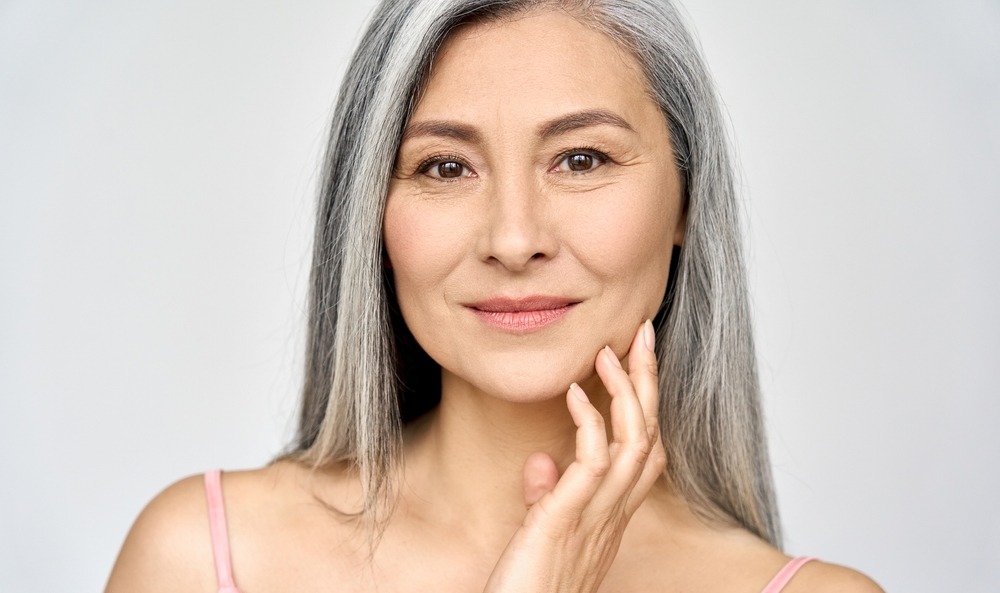
Understanding How Wrinkle Treatments Work
Wrinkle treatments function by gently relaxing targeted facial muscles, allowing the overlying skin to soften and appear smoother. This process helps reduce the appearance of expression lines, particularly in areas such as the forehead, crow’s feet, and frown lines. By minimising repeated muscle contractions, the skin has an opportunity to recover, making these treatments a popular choice for long-term facial rejuvenation. Many people also seek them out as part of a broader strategy to achieve the best treatment for mature skin, especially when combined with a personalised skincare plan.
How the Body Responds Initially
During the first few sessions, most individuals experience a noticeable improvement as their muscles respond predictably to the wrinkle treatments. The body processes the treatment gradually, and this controlled response contributes to natural-looking results that align with your facial structure. Before considering any possible tolerance, it’s helpful to understand that each person’s metabolism, muscle strength, and skin condition influence the longevity of their results. Some clients find that their skin texture improves as fine lines soften and deeper wrinkles become less pronounced.
After observing these early effects, many people feel more confident with their maintenance routine and develop a clearer understanding of how their body responds to ongoing wrinkle treatments.
Can the Body Build Tolerance to Wrinkle Treatments?
Understanding whether the body can develop tolerance to wrinkle treatments is essential for anyone planning a long-term aesthetic routine. While many people worry that results may fade more quickly over time, true physiological resistance is uncommon. The body does not typically “get used to” these treatments in the same way it might adapt to certain medications or skincare ingredients. Instead, changes in effectiveness are often linked to factors such as muscle strength, treatment intervals, and natural ageing processes.
How Perceived Tolerance Develops
Some clients notice that results seem to last for shorter periods, which can create the perception of tolerance. This shift is usually due to lifestyle factors, evolving facial expressions, or increased sun exposure rather than the body rejecting the product. In some cases, people who use their facial muscles more vigorously may simply metabolise the formula faster. Recognising these influences helps practitioners customise treatment plans to maintain natural-looking, rejuvenated results over time.
True Treatment Resistance: What the Research Says
Understanding true treatment resistance is crucial when exploring how wrinkle treatments perform over many years. Current research shows that genuine resistance is relatively rare, but it can occur in highly specific circumstances. Studies indicate that a small number of clients may develop neutralising antibodies, which can reduce the effectiveness of wrinkle treatments. However, this outcome is considered uncommon, especially when treatments are administered by qualified professionals who follow evidence-based protocols.
What Clinical Evidence Reveals
Clinical literature suggests that resistance is more likely when treatments are given too frequently or in unnecessarily high amounts. Many practitioners across Australia have reported long-term clients who continue to achieve consistent, predictable outcomes without any indication of the body adapting adversely. Researchers also highlight that not all perceived changes relate to physiological resistance; natural ageing, muscle dynamics, and individual metabolism can influence longevity.
Why Some People Think Their Wrinkle Treatments Have “Stopped Working”
Many people begin to wonder whether their wrinkle treatments have become less effective over time, but in most cases, this perception doesn’t reflect true treatment resistance. One of the most common reasons clients feel their results have changed is simply due to the natural progression of ageing. As collagen levels decline and skin elasticity shifts, the same dose may not create the same visual effect it once did, even though the treatment itself is still functioning as intended.
Understanding Lifestyle and Biological Factors
Lifestyle can also play a major role in how long results last, and it’s important to acknowledge this before assuming treatment failure. Factors such as stress, sun exposure, hydration levels, and sleep quality all influence skin condition and muscle activity. Before considering any set of changes, it’s helpful to remember that:
- Shifts in metabolism and muscle strength can affect how long results appear.
Additionally, inconsistent treatment timing can allow expression lines to return more prominently, which may give the impression that wrinkle treatments are no longer effective.
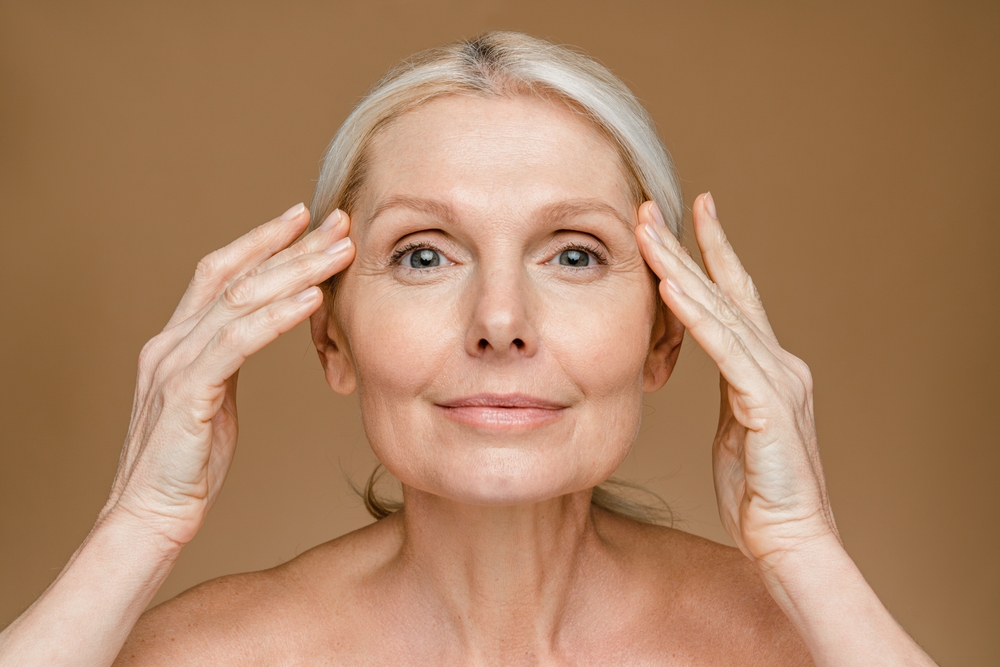
How Experienced Practitioners Maintain Long-Term Results
It’s essential to recognise how skilled practitioners help clients maintain long-term results with wrinkle treatments. In most cases, perceived tolerance is resolved through careful assessment rather than changing products entirely. A practitioner will typically review muscle movement, natural ageing patterns, and skin quality to determine whether adjustments are needed.
Technique, Timing, and Tailored Plans
A personalised approach is one of the most effective ways to support lasting results. Every client’s facial anatomy, muscle strength, and lifestyle habits play a role in how treatments behave over time. Before introducing any set of recommendations, it’s important to understand why a tailored plan matters.
Experienced practitioners also monitor consistency between appointments, as regular maintenance can help preserve smoother expression lines. Through strategic treatment planning and ongoing evaluation, clients can enjoy natural, predictable results without concerns about long-term tolerance.
What to Do if Results Seem to Be Diminishing
Noticing that your wrinkle treatments appear less effective can be concerning, but it’s important to understand that this is rarely due to true tolerance. Often, diminished results are linked to natural ageing, changes in muscle activity, or variations in lifestyle and skin condition rather than the body developing resistance to the treatment.
Steps to Restore Optimal Results
Professional assessment is key when outcomes seem reduced. A qualified practitioner will review treatment history, examine muscle patterns, and evaluate skin quality before recommending any adjustments. Before considering adjustments, it’s helpful to understand how subtle modifications can improve results.
- Altering treatment placement or dosage can help target lines more effectively.
- Adjusting treatment intervals may restore longevity and ensure smoother results.
In some cases, combining wrinkle treatments with complementary cosmetic treatments, such as volume enhancement treatments, can support overall facial rejuvenation. By following a tailored plan developed by an experienced cosmetic clinic in Melbourne, clients can maintain natural-looking, refreshed skin and continue to enjoy the long-term benefits of wrinkle treatments.
Strategies to Minimise the Risk of Resistance
Although true treatment resistance is rare, there are practical strategies to ensure wrinkle treatments remain effective over the long term. Working with a qualified practitioner in a reputable Melbourne clinic is the first step, as professional expertise ensures correct dosing, precise placement, and adherence to safe treatment intervals.
Best Practices for Long-Term Success
Maintaining consistent but appropriately spaced appointments is essential. Before implementing any changes, it’s important to understand why timing matters.
- Avoid over-treating the same area too frequently, which can increase the risk of antibody formation.
- Use only TGA-approved products that have been rigorously tested for safety and efficacy.
In addition, monitoring individual response to treatment allows clinicians to adjust techniques based on changes in muscle activity, skin texture, or facial anatomy.
Choosing a Trusted Cosmetic Clinic in Melbourne
Selecting the right clinic is essential for achieving safe, effective, and natural-looking results with wrinkle treatments. A reputable Melbourne clinic will prioritise personalised treatment plans, thorough consultations, and ongoing monitoring of the process.
Key Considerations for Choosing a Clinic
Before committing to any treatment, it’s important to understand the factors that contribute to high-quality care.
- Look for qualified practitioners with extensive experience in wrinkle treatments and other cosmetic treatments.
- Ensure the clinic uses TGA-approved products and maintains strict hygiene and safety standards.
Additionally, open communication between client and clinician is crucial for setting realistic expectations and tailoring treatments to individual facial anatomy and aesthetic goals. By choosing a trusted cosmetic clinic in Melbourne, clients can enjoy professional guidance, long-lasting results, and confidence in their wrinkle treatments.
Looking for a Cosmetic Clinic in Melbourne?
For a personalised approach that accounts for facial anatomy, muscle activity, and ageing, contact Cityskin. With professional guidance, wrinkle treatments could help to provide long-lasting, refreshed, and confident results without compromising natural expression.
When you are ready to take the first step on your cosmetic treatment journey, chat with us online now. If you are a new patient, you can schedule a free 30 minute consultation, while existing Cityskin patients can book an appointment online.
The information in this blog article should not be considered medical advice.
Frequently Asked Questions
True tolerance is very rare. Most clients maintain consistent, natural-looking results when treatments are spaced appropriately and administered by qualified practitioners.
Perceived reduction is usually due to natural ageing, changes in muscle activity, lifestyle factors, or adjustments in skin texture rather than the body developing resistance.
Neutralising antibodies are immune proteins that can block the wrinkle treatment, reducing effectiveness. This occurs in only a small percentage of people.
Proper spacing between treatments, using TGA-approved products, and working with experienced practitioners can help maintain optimal results.
A professional assessment can determine whether changes are due to ageing, anatomy, or rare resistance. Adjusting dosage, placement, or treatment intervals often restores outcomes.