





What Causes a Double Chin? An Evidence Based Guide
Double chin removal – it’s the often first thing people search after they notice that softness and fullness under their chin that wasn’t there before. Whether it’s seeing themselves on a video call or looking at a photo taken by someone else, noticing a double chin – also known as submental fullness – is a common experience for many people. Rarely just about weight or lifestyle choices, there are many factors that influence submental fullness, which means the cause is not always obvious at first glance. Understanding what’s behind it is the key to making informed decisions about what to do next.
In this guide, we will explore the real causes of a double chin, the factors that can make it more noticeable, and how to approach your next steps with clarity and confidence.
What is “submental fullness”?

Submental fullness is the clinical term used to describe the appearance of a “double chin,” referring to the area beneath the chin and above the neck. This region plays a key role in how defined or contoured the jawline appears, and even subtle changes here can become noticeable in photos or on video.
Understanding the anatomy
The submental area is influenced by several underlying structures that work together to shape the lower face. These include:
- A layer of fat beneath the skin (submental fat)
- The skin itself, including its elasticity and firmness
- The platysma muscle, which runs along the front of the neck
Each of these components can contribute differently to submental fullness, which is why no two cases look exactly the same. Understanding this combination is important when considering options.
Why it’s not always about weight
While weight gain can contribute to fullness under the chin, it is not the only factor. Many people with a healthy body weight still notice a double chin due to genetics, skin laxity, or posture-related factors such as a “tech neck” double chin. This is why understanding the causes of a double chin is essential before considering any double chin removal treatment options.
The main contributors to a double chin
Understanding the causes of a double chin requires looking beyond a single factor. Submental fullness is typically the result of several overlapping influences, including genetics, ageing, lifestyle, and posture. Recognising which of these may apply to you can help guide more informed decisions when considering double chin removal or double chin treatment pathways.
Genetics and bone structure
Your natural facial structure plays a significant role in how the area under the chin appears. Factors such as chin projection, jaw angle, and even the position of the hyoid bone can influence how sharply defined the jawline looks. Some people are genetically predisposed to submental fullness, regardless of their body weight or fitness level. This means that even with healthy habits, a softer contour under the chin can still develop, making the causes of a double chin more complex than they first appear.
Age and collagen loss
As we move into our mid-30s and beyond, the skin gradually produces less collagen and elastin. These are the structural proteins responsible for keeping the skin firm and resilient. Over time, reduced elasticity can lead to skin laxity, particularly in delicate areas like under the chin. The platysma muscle may also begin to descend slightly, contributing to a less defined jawline. This combination of skin and muscle changes is a common reason people begin to explore treatment options for the chin area.
Weight fluctuation
Weight changes can influence fat distribution across the body, including the submental area. While weight gain may increase fullness under the chin, repeated cycles of gaining and losing weight can also affect skin quality. In some cases, the skin may not fully retract after weight loss, leaving behind a degree of looseness that contributes to the appearance of a double chin.
Posture and “tech neck”
Modern lifestyles have introduced another important factor: posture. Spending long hours looking down at phones or working on laptops can lead to forward head posture, often referred to as “tech neck.” Over time, this positioning may weaken the muscles that support the neck and jawline, making submental fullness more noticeable. A tech neck double chin can develop gradually, even in individuals who are otherwise healthy, which highlights how everyday habits can shape facial contours.
Fluid retention and lymphatic factors
Not all fullness under the chin is structural or permanent. Temporary changes related to fluid retention can also affect this area. Factors such as high salt intake, alcohol consumption, dehydration, and poor sleep can contribute to mild swelling or puffiness. While this type of submental fullness is usually short-term, it can make the jawline appear less defined, particularly when combined with other underlying factors.
The myths worth letting go of
When it comes to submental fullness, there’s no shortage of advice online promising quick fixes or simple solutions. While some of these ideas may seem appealing, many are not supported by evidence and can lead to unrealistic expectations around double chin removal.
Common misconceptions about a double chin
Several widely shared beliefs continue to shape how people think about the causes of a double chin. These include:
- Chewing gum can sculpt or slim the jawline
- Face yoga can significantly reduce submental fat
- Weight loss alone will always resolve a double chin
- Topical creams can tighten or lift the area meaningfully
Why these myths persist
Many of these ideas gain traction because they offer a sense of control and convenience. However, submental fullness is influenced by factors such as genetics, skin laxity, fat distribution, and posture and because of this, a single habit or product is unlikely to address all contributing elements.
A more realistic perspective
Rather than focusing on quick fixes, it’s more helpful to understand the underlying structure of the area. A personalised assessment can help determine whether lifestyle adjustments, posture changes, or a discussion about other chin treatment options may be appropriate for your individual concerns.
Lifestyle and posture strategies that may help
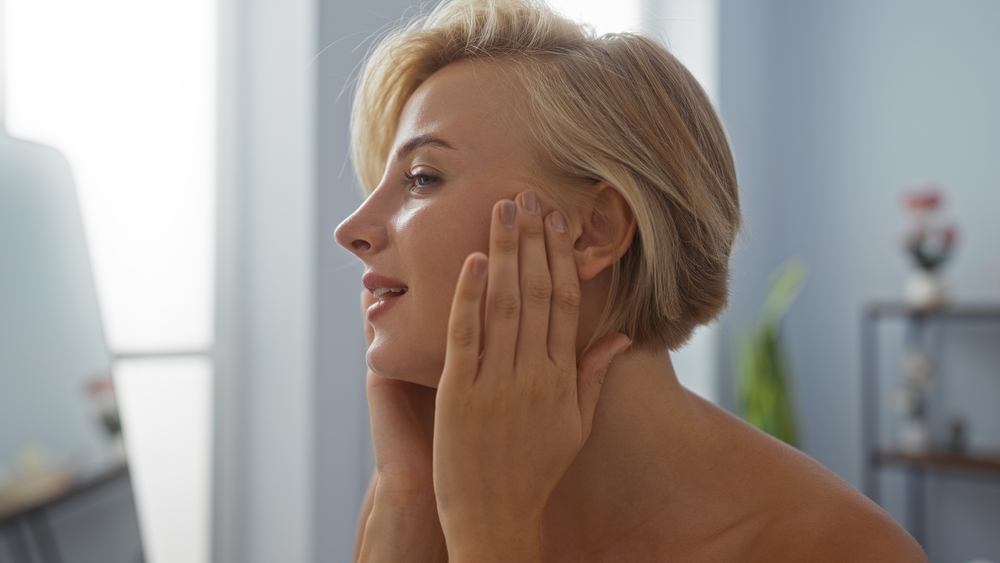
While there’s no single habit that can fully address submental fullness, certain lifestyle and posture strategies may help to support a more defined jawline over time. These approaches focus on overall skin quality, muscle support, and reducing factors that can contribute to a double chin.
Strength and postural awareness
Improving posture could play a meaningful role, particularly for those experiencing a tech neck double chin. Keeping the head aligned over the shoulders and strengthening the upper back may reduce strain on the neck and jawline. Over time, better alignment can help minimise the appearance of submental fullness linked to posture.
Sleep, hydration and daily habits
Everyday habits also influence how the area under the chin appears. Factors that may help reduce temporary puffiness include:
- Staying well hydrated throughout the day
- Managing salt intake
- Limiting alcohol, particularly in the evening
These adjustments may support fluid balance and reduce the likelihood of transient fullness.
Skincare and skin quality
Maintaining skin health is another important consideration. Consistent use of sun protection and targeted skincare, such as products that support collagen under clinician guidance, may help improve skin texture and firmness. While skincare alone won’t replace structural changes, it can sometimes complement broader strategies often discussed during a clinical consultation.
When a consultation is worthwhile

Deciding when to seek professional advice for submental fullness can help you move from uncertainty to clarity. While some people are comfortable monitoring changes over time, others may prefer a more structured understanding of the causes of a double chin and whether any next steps are appropriate.
Signs it may be time to seek advice
There are several indicators that suggest a consultation could be helpful, particularly if submental fullness is becoming more noticeable or persistent. These include:
- Ongoing concern about a double chin in photos or video calls
- Visible changes in the jawline that don’t improve with lifestyle adjustments
- Skin laxity or a feeling of reduced firmness under the chin
- Curiosity about double chin reduction or other chin treatment options
If these concerns sound familiar, a consultation can provide a clearer picture of what’s contributing to your individual presentation.
What a clinician assesses
A qualified clinician will take a comprehensive, anatomy-led approach rather than relying on assumptions. This typically includes assessing skin quality, fat distribution, muscle tone, and underlying bone structure. By understanding how these elements interact, they can explain the factors behind your submental fullness and you can learn more about double chin treatment options that may be appropriate for you.
What to bring to a consultation
Preparing for a consultation can help you get the most value from the experience and ensure your concerns around submental fullness are clearly understood. Bringing a few key things along can support a more focused and personalised discussion about the causes of a double chin and whether any next steps are worth considering.
Helpful things to prepare
Before attending, it can be useful to gather information that reflects both your concerns and your goals. This may include:
- Photos of your profile and jawline in natural light from different angles
- A clear idea of what specifically bothers you about your double chin
- Any relevant medical history or recent changes in weight or lifestyle
- Questions about possible treatment options that you may have
Why preparation matters
A well-prepared consultation allows for a more meaningful conversation about your individual anatomy and expectations. It also creates space to explore whether double chin treatment pathways are appropriate, based on a thorough and personalised assessment.
Understanding the causes of a double chin is an important step towards making informed decisions about your next move. If you’ve been considering your options or are unsure whether double chin treatment is appropriate, a personalised consultation can provide clarity. Rather than guessing based on photos or online advice, a qualified clinician can assess your individual anatomy and guide you through suitable pathways. Taking this step allows you to explore double chin treatment options with a clearer understanding of what may be relevant for you.
Book a consultation with a qualified Cityskin clinician to discuss your individual concerns.
This article is general educational information and is not a substitute for personalised medical advice. Please speak with a qualified healthcare professional about your individual circumstances.
Frequently Asked Questions:
No, weight is only one of several contributing factors. Genetics, bone structure, skin laxity, and posture can all play a role in the development of a double chin. This is why some people notice submental fullness even at a stable or lower body weight.
Some people choose to explore non-surgical chin treatment pathways, depending on their individual anatomy and goals. A qualified clinician can assess whether this approach is appropriate and discuss options in the context of double chin treatment.
It can be difficult to determine this on your own, as these factors often overlap. A clinical assessment is usually the most reliable way to understand the underlying causes of a double chin.
Yes, posture, particularly forward head positioning associated with a tech neck double chin, can influence how prominent submental fullness appears over time.
A consultation involves a detailed assessment of your skin quality, fat distribution, muscle tone, and bone structure. Based on this, your clinician will discuss whether double chin treatment options are suitable for your individual needs.