




Brow Lift and Facial Enhancement: An Evidence-Based Guide
Maybe you have noticed your brow sitting lower than it once did, or your appearance seems more tired in photographs that expected. These changes are a normal part of ageing and can be influenced by a combination of facial movement, skin quality, genetics and lifestyle factors. Understanding how the brow and upper face change over time is an important first step before considering any facial enhancement treatment or brow lift treatment in Melbourne. For people researching their options, learning about the anatomy and ageing process can help support more informed and realistic decisions.
What We Mean by Facial Enhancement Treatment
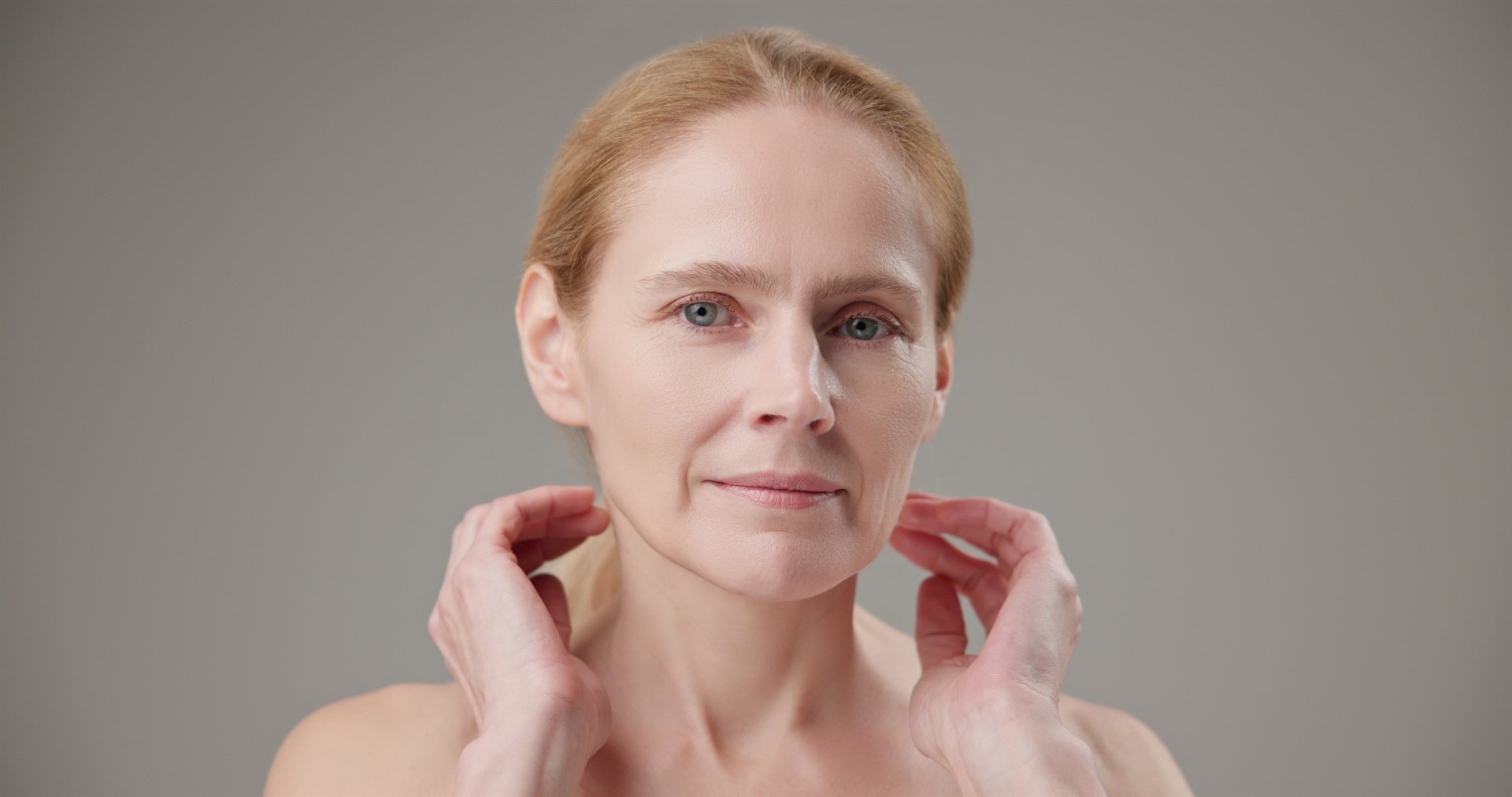
Facial enhancement is a broad term that describes a personalised approach to understanding and supporting facial appearance. It is not a single treatment or a standardised solution. Instead, it involves considering the unique characteristics of each person, including their facial anatomy, concerns and goals. What one person notices about their appearance may be very different from what concerns someone else. Some people become more aware of changes around the brow and upper face, while others focus on overall facial balance or skin quality.
A personalised approach recognises that every face is different and that ageing affects individuals in different ways. Genetics, lifestyle factors and natural facial movement all contribute to how facial features change over time. As a result, recommendations should always be tailored to the individual rather than based on general assumptions.
Why the Brow and Upper Face Shape the Overall Expression
The brow and upper face play an important role in how facial expressions are perceived. Even subtle changes in brow position can influence whether a person appears refreshed, tired, approachable or concerned. Because the brow sits centrally within the upper face, it contributes significantly to overall facial harmony and balance.
The relationship between the brow, forehead and eye area is also important. Changes in one area can affect the appearance of the others, which is why the upper face is often considered as a whole rather than as separate features.
Subtle Support vs Visible Change
People seek facial enhancement for different reasons, and their goals can vary considerably. Some individuals are interested in subtle improvements that help them feel more refreshed, while others may wish to address specific concerns related to ageing or facial balance.
It is important to have realistic expectations and to understand that outcomes differ from person to person. Facial enhancement is not about achieving a particular look or guaranteeing a specific result. Instead, it is about exploring options that align with individual goals, preferences and facial characteristics through informed and personalised guidance.
The Anatomy of the Brow and Forehead
The brow and forehead may appear simple on the surface, but they rely on several structures working together to create movement, expression and support. The skin forms the outer layer and helps protect the underlying tissues. Beneath the skin are muscles that allow us to raise our eyebrows, frown, squint and express emotion.
The Role of Muscles in the Upper Face
To understand why the brow and upper face change over time, it helps to have a basic understanding of the structures involved. The forehead and brow area contain several muscles that work together to create facial expressions.
How Skin Changes Over Time
The skin covering the forehead and brow also plays an important role in overall appearance. As we age, natural changes in collagen and elastin can affect the skin’s firmness and elasticity. These changes occur gradually and can influence how smooth or supported the upper face appears.
The Importance of Support Structures
Beneath the skin and muscles are connective tissues and supporting structures that help maintain facial shape and position. Over time, these structures can change, contributing to shifts in the brow area and the overall appearance of the upper face.
How These Structures Work Together
The brow and forehead do not age because of a single factor. Instead, changes occur through the combined effects of muscle activity, skin ageing and alterations in underlying support structures. Understanding how these elements interact provides useful context when considering the natural ageing process and the changes that may become noticeable in the brow region over time.

The Myths Worth Letting Go Of
There are many misconceptions about facial enhancement and brow lift treatment that can make it difficult to separate fact from fiction. Some of the most common myths include:
- A brow lift always means surgery.
- Facial enhancement is only for older people.
- Enhancement means looking obviously different.
- Only the skin matters, the brow position does not.
- Results are permanent and the same for everyone.
Why These Myths Persist
Many of these beliefs come from outdated information, media portrayals and before-and-after images that do not reflect the full picture. Social media can also contribute to unrealistic expectations by presenting highly curated results without explaining the individual factors involved. As a result, people may develop assumptions about facial enhancement that are not always accurate.
A More Realistic Perspective
In reality, concerns about the brow and upper face can affect adults of different ages and are influenced by many factors, including anatomy, genetics and lifestyle. Facial enhancement is not about achieving a particular look or following a trend. It is about understanding individual concerns and exploring options that align with personal goals. Most importantly, outcomes vary from person to person, which is why personalised consultations and realistic expectations are essential parts of the decision-making process.
Lifestyle and Skincare Strategies That Support the Upper Face
While ageing is a natural process, certain daily habits can help support the health and appearance of the brow, forehead and surrounding skin.
Sun Protection
Sun exposure is one of the most significant external factors affecting skin ageing. Ultraviolet (UV) radiation can contribute to the breakdown of collagen and elastin, which are important for maintaining skin strength and elasticity. Protecting the skin from UV exposure can help reduce the impact of environmental ageing on the upper face. Daily sun protection, including the use of a broad-spectrum sunscreen and other sun-safe behaviours, is recommended by organisations such as the Cancer Council Australia.
Sleep, Hydration and Daily Habits
Healthy lifestyle habits can also influence how the skin looks and functions. Adequate sleep supports normal repair processes within the body, while hydration contributes to overall skin health. Factors such as smoking, excessive alcohol consumption and prolonged sun exposure may also affect skin quality over time. Although these habits cannot prevent ageing, they can support overall wellbeing and healthy-looking skin.
A Simple, Clinician-Guided Skincare Routine
Skincare routines do not need to be complicated to be effective. A simple regimen tailored to your skin type and concerns is often easier to maintain consistently. Professional guidance can help identify suitable products and ingredients while an unnecessarily complex routine. The goal is to support skin health through a routine that is practical, sustainable and aligned with individual needs.
When a Consultation Is Worthwhile
While general information can help build an understanding of brow and upper-face changes, there comes a point when personalised advice may be more valuable than further research. A consultation provides an opportunity to discuss individual concerns, ask questions and gain a clearer understanding of the factors contributing to changes in appearance. Personalised options may be discussed during a consultation, but the focus is on assessing the individual rather than applying a one-size-fits-all approach.
Signs It May Be Time to Seek Advice
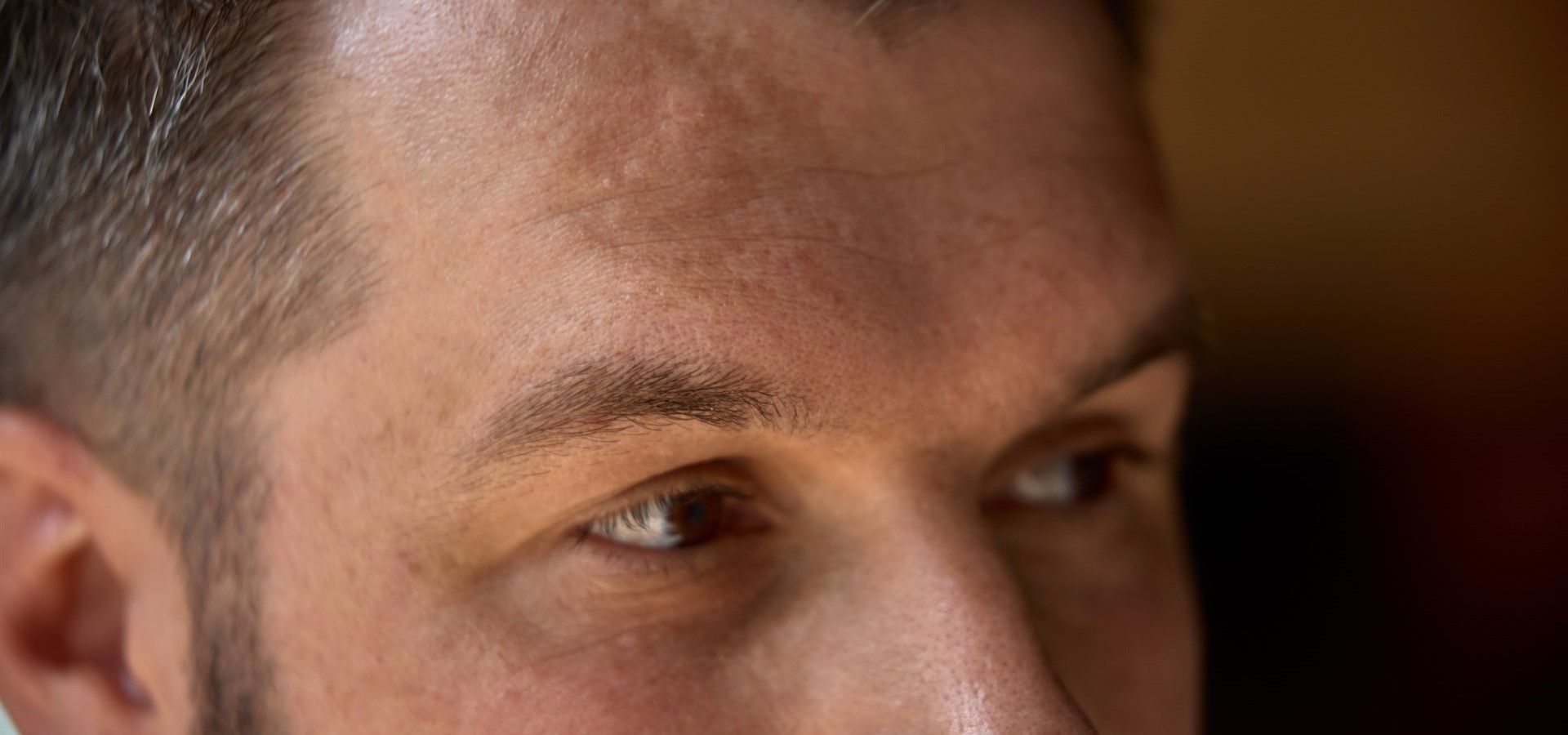
Many people consider seeking professional advice when they notice ongoing changes in the brow or upper face that concern them. This may include feeling that the brow appears heavier than it once did, noticing a more tired appearance in photographs, or feeling that the upper face no longer reflects how they feel. Some people simply reach a point where they want reliable information tailored to their circumstances rather than relying on online sources.
What a Clinician Assesses
A consultation involves looking at several factors that contribute to the appearance of the upper face. This may include brow position, upper-face anatomy, skin quality and expression patterns. A clinician will also discuss your goals and concerns to better understand what you hope to achieve. By assessing these factors together, it becomes possible to build a more complete picture of the individual rather than focusing on a single feature in isolation.
Why Personalised Assessment Matters More Than Online Research
Two people with similar concerns may have very different underlying anatomical features, ageing patterns and goals. A personalised assessment considers these differences and provides advice based on the individual rather than general information.
What to Bring to a Consultation
To make the most of a consultation, it can be helpful to bring recent photos taken in natural light, a clear understanding of what concerns you about the brow or upper face, relevant medical history and any questions you would like answered. This information helps support a more personalised discussion.
Changes in the brow and upper face are a normal part of ageing, and understanding the factors behind those changes can make it easier to make informed decisions. A consultation provides the opportunity to receive personalised advice based on your anatomy, concerns and goals, helping bring clarity to options that may be suitable for you. If you would like professional guidance tailored to your individual circumstances, book a consultation with a qualified Cityskin clinician to discuss your individual concerns.
Disclaimers:
- This article is general educational information and is not a substitute for personalised medical advice. Please speak with a qualified healthcare professional about your individual circumstances.”
- Any procedure carries risks. Individual results vary, and outcomes that may be appropriate for one person are not necessarily appropriate for another. A consultation with a qualified practitioner is required to discuss what may be suitable for you.
FAQs
Facial enhancement is a broad term that refers to personalised approaches that address individual concerns about facial appearance and ageing.
No. Non-surgical approaches and surgical procedures are different and involve different considerations. A personalised consultation can help explain these differences.
There is no specific age. People may begin noticing changes at different stages of adulthood depending on factors such as genetics, lifestyle and facial anatomy.
Goals vary from person to person. A consultation helps determine realistic expectations based on your individual concerns and preferences.
A clinician will assess your brow position, upper-face anatomy, skin quality and goals, then discuss personalised advice based on your individual circumstances.